

Why Is My Cotton Swab Machine Not Sticking Cotton Properly?
Date: 9/5/2026 1:23:00 PM Click: 137
You've invested in a cotton swab making machine, set it up, and started production. But instead of perfectly formed cotton swabs coming off the line, you're seeing loose cotton, uneven wrapping, or cotton that simply won't stick to the stick at all.
This is one of the most common and frustrating problems in cotton swab manufacturing. When a cotton swab machine is not sticking cotton properly, it typically comes down to one of three categories: material issues, mechanical misalignment, or parameter settings.
This article walks through the most common causes of "not sticking cotton" and provides a step-by-step troubleshooting guide to get your production back on track.
Understanding How Cotton Wrapping Works
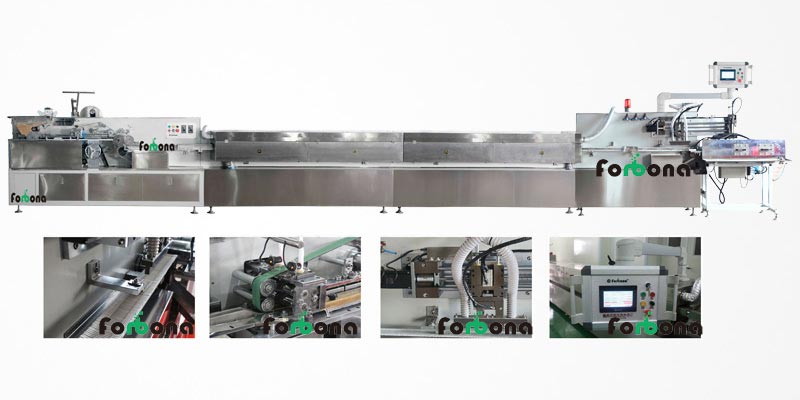
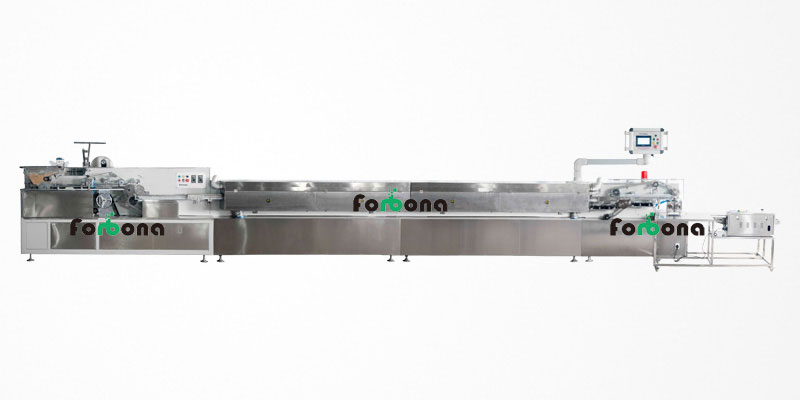
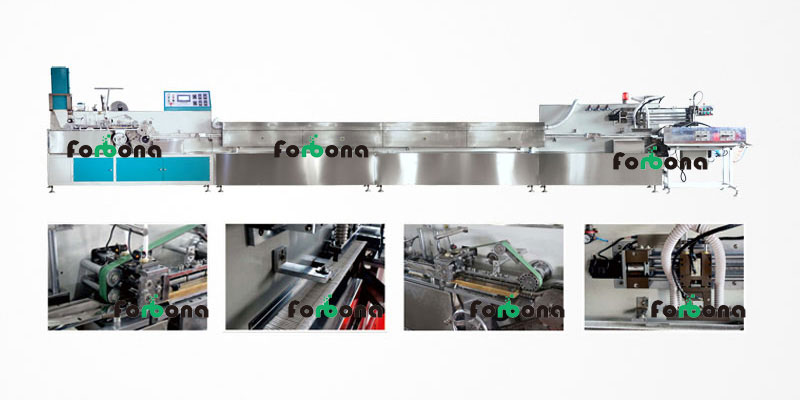
Before diving into troubleshooting, it helps to understand the basic mechanism. A cotton swab machine feeds cotton sliver—typically 1.5gsm specification—onto a moving stick, which is then wrapped and formed into the final product. The FBN-01 Cotton Swab Making Machine and FBN-01S Automatic Cotton Swab Machine, for example, are designed to handle sticks with a length of 70mm (±2mm), a diameter of 2.0–2.5mm, and a weight of 1.6–2.5g.
The wrapping process depends on several factors working together:
- Consistent cotton sliver feed at the right weight and density
- Proper stick alignment as it passes through the wrapping station
- Correct machine settings for speed, temperature, and tension
- Well-maintained components including rollers, guides, and cutting mechanisms
When any of these factors fall out of specification, the cotton may fail to adhere properly.
Common Causes of "Not Sticking Cotton"
1. Cotton Sliver Quality Issues
The most frequent cause of poor cotton adhesion is the cotton sliver itself. If the sliver does not meet the machine's specifications, the wrapping process will be compromised.
| Issue | Symptom | What to Check |
|---|---|---|
| Incorrect sliver weight | Cotton too thin or too thick; uneven wrapping | Verify 1.5gsm specification |
| Poor quality cotton | Loose fibers; cotton falls off easily | Check supplier quality; test different batches |
| Moisture in cotton | Cotton clumps; does not feed smoothly | Store cotton in a dry environment |
| Contamination | Foreign particles in sliver | Inspect raw material; clean feed area |
The FBN-01 and FBN-01S are designed for cotton sliver of 1.5gsm. Using sliver outside this specification will almost certainly cause wrapping problems.
2. Stick Dimensions Out of Specification
Cotton swab machines are precision instruments. If the sticks being fed into the machine do not match the specifications, the cotton wrapping will fail.
Check these stick parameters against your machine's requirements:
- Length: Should be 70mm (±2mm). Sticks that are too short or too long will misalign at the wrapping station.
- Diameter: Should be 2.0–2.5mm. Sticks that are too thin may not pick up enough cotton; sticks that are too thick may jam.
- Weight: Should be 1.6–2.5g. Inconsistent weight indicates inconsistent density.
- Material: The machine should be set for the specific stick type being used—plastic, paper, wooden, or bamboo.
Different stick materials require different feeding and wrapping parameters. If you have recently switched from plastic to paper sticks, for example, you may need to adjust the machine settings.
3. Mechanical Misalignment
Even with perfect materials, mechanical issues can prevent proper cotton wrapping:
Wrapping Rollers
The rollers that press cotton onto the stick must be properly aligned and have the correct pressure. If the gap between rollers is too wide, cotton won't be pressed firmly enough. If it's too narrow, the stick may jam.
Feeder Alignment
The cotton sliver feeder must be positioned so that the sliver meets the stick at the correct angle. Misalignment here can cause cotton to miss the stick entirely or wrap unevenly.
Worn Components
Over time, rollers, guides, and cutting blades wear down. Worn components may not grip the cotton properly or may fail to cut cleanly, leading to poor wrapping.
4. Parameter Settings
Modern cotton swab machines like the FBN-01 and FBN-01S use PLC control systems and touch-screen HMIs for precise parameter adjustment. Incorrect settings can cause wrapping failures:
- Speed too high: At 1000–1200 pieces per minute, even slight mis-timing can cause wrapping errors. If the machine is running at maximum speed, try reducing speed to see if wrapping improves.
- Temperature incorrect: The drying oven must be at the correct temperature to set the cotton. If the oven temperature is too low, cotton may not adhere properly.
- Tension incorrect: Both cotton sliver tension and stick feed tension must be balanced.
5. Maintenance Issues
Lack of regular maintenance can cause gradual degradation in wrapping quality:
- Dust and debris on rollers reduce friction and grip
- Lubrication issues in moving parts cause inconsistent motion
- Sensor misalignment (Omron sensors are used in these machines) can cause timing errors
- Worn belts or chains in the drive system affect precision
Step-by-Step Troubleshooting Checklist
When your cotton swab machine is not sticking cotton properly, follow this systematic approach:
Check Your Materials
- Verify cotton sliver weight is 1.5gsm
- Confirm stick length is 70mm ± 2mm
- Confirm stick diameter is 2.0–2.5mm
- Confirm stick weight is 1.6–2.5g
- Check if you have recently changed stick material type
- Test a different batch of cotton sliver
Inspect Mechanical Components
- Check wrapping roller gap and pressure
- Verify feeder alignment with the stick path
- Inspect rollers, guides, and blades for wear
- Check all fastening screws are tightened
- Look for debris or cotton buildup on moving parts
Review Machine Settings
- Check production speed—try reducing if running at maximum
- Verify drying oven temperature
- Check cotton sliver tension settings
- Review stick feed timing
- Consult the machine's operation manual for recommended settings
Clean and Maintain
- Clean all rollers and guides
- Remove any cotton debris from the machine
- Check and clean sensors (Omron sensors may need periodic cleaning)
- Verify lubrication of moving parts
- Inspect belts and chains for tension and wear
Test and Observe
- Run a short production test after each adjustment
- Observe the wrapping station in slow motion if possible
- Note exactly where the failure occurs—at the feed point? At the roller? At the cut?
- Document what changes improve or worsen the problem
When to Call for Professional Support
If you have worked through this checklist and the problem persists, it may be time to contact the manufacturer. Signs that you need professional support include:
- Recurring issues that resist standard troubleshooting
- Visible damage to mechanical components
- Error messages on the PLC or touch-screen interface
- Performance degradation that cannot be explained by routine factors
Forbona's support team provides assistance with installation, training, and after-sales service. They can help diagnose issues that require specialized knowledge of the machine's control system or mechanical design.
Preventing Future Wrapping Problems
Once you have resolved the immediate issue, consider these preventive measures:
1. Implement Incoming Material Quality Checks
Verify every batch of cotton sliver and sticks against specifications before production.
2. Establish a Regular Maintenance Schedule
Daily cleaning and inspection can catch small issues before they become major problems.
3. Document Machine Settings
Keep a record of settings for each material type so you can quickly revert to known-good configurations.
4. Train Operators
Ensure operators understand the machine's touch-screen interface and can recognize early warning signs of wrapping problems.
5. Keep Critical Spare Parts
Having spare rollers, sensors, and belts on hand can minimize downtime when components wear out.
FAQ
Q: Why is my cotton swab machine not picking up cotton at all?
A: This usually indicates a feeder alignment issue or incorrect cotton sliver specification. Check that the cotton sliver is 1.5gsm and that the feeder is properly aligned with the stick path. Also verify that the stick is within the specified dimensions (70mm ± 2mm length, 2.0–2.5mm diameter).
Q: Can using the wrong stick material cause wrapping problems?
A: Yes. Different stick materials—plastic, paper, wooden, and bamboo—have different surface properties and require different machine settings. If you have switched materials without adjusting settings, wrapping problems are likely.
Q: How often should I clean my cotton swab machine to prevent sticking issues?
A: Daily cleaning is recommended. At a minimum, clean rollers and guides at the end of each shift, remove cotton debris from the machine, and check sensors for contamination. Regular cleaning prevents buildup that can affect wrapping quality.
Q: What should I do if reducing machine speed improves cotton sticking?
A: This suggests that the machine is running too fast for the current material or settings. Try gradually increasing speed while monitoring wrapping quality to find the optimal balance. Also check if the drying oven temperature needs adjustment for higher speeds.
Q: How do I know if my cotton sliver is the right quality?
A: The FBN-01 and FBN-01S machines are designed for 1.5gsm cotton sliver. If your sliver is heavier or lighter, it will affect wrapping. Also check for consistent density—lumpy or uneven sliver will cause inconsistent wrapping.
Q: When should I replace wrapping rollers?
A: Replace rollers when you see visible wear, scoring, or when they no longer provide even pressure across the full width of the cotton sliver. Regular inspection during maintenance will help you identify wear before it causes production problems.
Conclusion
A cotton swab machine that is not sticking cotton properly is almost always fixable. The key is to approach the problem systematically—starting with material quality, then moving through mechanical inspection, parameter review, and maintenance.
The most common causes are:
- Cotton sliver that does not meet the 1.5gsm specification
- Sticks that are outside the required dimensions
- Mechanical misalignment of rollers, feeders, or guides
- Incorrect machine settings for speed, temperature, or tension
- Lack of regular cleaning and maintenance
By following the troubleshooting checklist in this article, most operators can identify and resolve the issue without waiting for external support. For persistent problems, professional assistance is available.
If you are evaluating cotton swab production equipment or need assistance with your current machine, review the available machine configurations or contact the manufacturer's support team to discuss your specific production requirements.