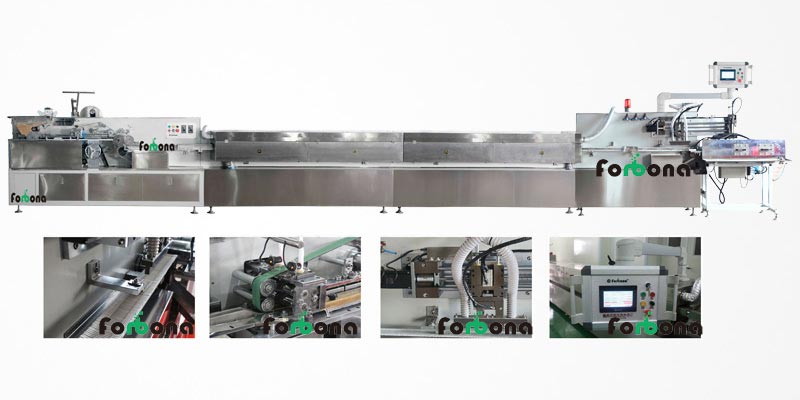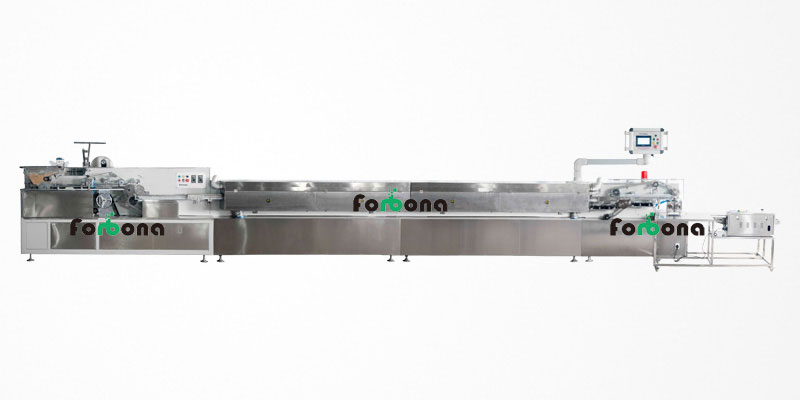


How to Reduce Downtime on a Cotton Swab Production Line Faster
Date: 7/28/2026 10:53:00 AM Click: 246
Every minute a cotton swab production line sits idle, production targets slip, labor costs continue, and delivery commitments come under pressure. For manufacturers running automatic cotton swab making machines, downtime is not just an inconvenience—it is a direct hit to profitability.
The good news is that most downtime is preventable. Studies on cotton swab manufacturing have identified that downtime typically stems from a limited set of recurring causes: line jams, equipment repairs, material issues, and setup failures. By understanding these causes and implementing a structured preventive maintenance program, production facilities can significantly improve machine uptime and operational efficiency.
This article examines the most common sources of downtime on cotton swab production lines and provides practical strategies to prevent them—using the technical specifications of machines like the FBN-01 Cotton Swab Making Machine as a reference point.
Understanding the True Cost of Downtime
Before diving into solutions, it is worth understanding what downtime actually costs. Cotton swab production is highly automated, and productivity is critically affected by any interruption of the equipment. Unlike industries where material costs dominate, cotton swab manufacturing has relatively low material costs—meaning that downtime and energy costs have a disproportionately large impact on total production costs.
For a machine running at 1000–1200 pieces per minute, even 30 minutes of unplanned downtime represents 30,000 to 36,000 units of lost production. Over a month, these losses accumulate quickly.
Common Causes of Downtime on Cotton Swab Production Lines
Downtime on a cotton swab production line generally falls into four categories. Understanding which category applies to your situation is the first step toward solving it.
1. Material-Related Downtime
Material issues are among the most frequent causes of production interruptions. Cotton sliver quality, stick dimensions, and material consistency all affect machine performance.
| Material Issue | Typical Symptom | Impact |
|---|---|---|
| Inconsistent cotton sliver weight | Uneven cotton wrapping, frequent jams | Repeated machine stops |
| Stick length deviation beyond ±2mm | Misalignment in feeding mechanism | Jams and rejected products |
| Stick diameter outside 2.0–2.5mm range | Feeding errors, broken sticks | Production slowdown or stop |
| Poor quality cotton sliver | Loose cotton tips, poor absorption | Quality rejects, rework |
The FBN-01 machine, for example, is designed for cotton sliver of 1.5gsm and sticks with length of 70mm (±2mm) and diameter of 2.0–2.5mm. Operating outside these specifications will inevitably lead to increased downtime.
2. Mechanical and Component Failure
Cotton swab making machines contain numerous moving parts, sensors, and control components that require regular attention. The FBN-01 incorporates components from established manufacturers: Japan Omron PLC and sensors, Taiwan Delta servo motors and drivers, Taiwan Airtac cylinders and valves, and France Schneider relays and switches.
While these are reliable components, they are not maintenance-free. Common mechanical failure points include:
- Servo motor drivers overheating or losing calibration
- Pneumatic cylinders losing pressure due to seal wear
- Temperature controllers drifting from set points
- Sensors becoming misaligned or contaminated with dust
- Heating elements in the drying oven failing or losing efficiency
The drying oven, which Forbona notes as a latest original design with closed-type drying for economical and effective operation, requires particular attention to maintain consistent drying performance.
3. Setup and Adjustment Errors
Incorrect setup is a surprisingly common source of downtime. When operators are not properly trained on the machine's touch-screen interface or when settings are changed without proper documentation, the result is often trial-and-error adjustments that consume production time.
Common setup-related downtime includes:
- Incorrect temperature settings for the drying oven
- Improper feeder alignment for different stick types
- Mould changes without proper calibration
- Packing station misconfiguration for different pack types

4. Lack of Preventive Maintenance
Perhaps the most significant contributor to downtime is the absence of a structured maintenance program. Machines that are only serviced when they break down—reactive maintenance—consistently experience more downtime than those on a preventive schedule.
Practical Strategies to Reduce Downtime
Implement a Daily Maintenance Routine
Daily maintenance of cotton swab machines primarily involves cleaning, lubrication, and inspection. These tasks are straightforward and can be performed by operators following the maintenance manual.
A recommended daily checklist:
| Task | Frequency | Responsible |
|---|---|---|
| Clean machine surfaces and remove dust/debris | Each shift | Operator |
| Check all sliding surfaces for oil and cleanliness | Each shift | Operator |
| Inspect chain, gear, and belt tension | Each shift | Operator |
| Verify all fastening screws are tightened | Each shift | Operator |
| Check rotating parts for smooth operation | Each shift | Operator |
| Clean the die head with clean water or cleaning fluid | End of shift | Operator |
| Remove debris from the suction fan | End of shift | Operator |
| Clean rubber wheels | End of shift | Operator |
Regular cleaning, timely lubrication, and checking the transmission system and safety devices can significantly extend equipment lifespan and reduce the likelihood of malfunctions.
Establish a Weekly and Monthly Maintenance Schedule
Beyond daily tasks, a more comprehensive maintenance schedule should be followed:
Weekly Maintenance:
- Inspect all pneumatic connections for leaks
- Check the condition of seals on air cylinders
- Verify temperature controller accuracy
- Clean sensors and ensure proper alignment
- Inspect the oven interior for any buildup
Monthly Maintenance:
- Check lubricating oil in the cotton beater gearbox
- Inspect electric motor bearings; clean and add lubricating oil
- Review servo motor performance and calibration
- Test all safety devices and emergency stops
- Inspect the full electrical control panel for signs of overheating
Quarterly Maintenance:
- Comprehensive inspection of all major components
- Review and update spare parts inventory
- Consider professional service inspection
Monitor Material Quality Incoming
Since many downtime events originate from material inconsistencies, implementing a material quality check process is essential.
Before running any batch, verify that incoming materials meet the machine's specifications:
- Cotton sliver weight: confirm 1.5gsm specification
- Stick length: verify within 70mm ± 2mm
- Stick diameter: confirm 2.0–2.5mm range
- Stick weight: confirm 1.6–2.5g range
For facilities using different stick types—plastic, paper, wooden, or bamboo—ensure that machine settings are adjusted appropriately for each material type.
Train Operators Thoroughly
Many setup-related downtime events can be prevented through proper operator training. Operators should be familiar with:
- The touch-screen interface and its key functions
- Proper startup and shutdown procedures
- How to change moulds for different swab shapes
- How to adjust settings for different stick materials
- Basic troubleshooting for common error messages
- When to call for maintenance support vs. when to resolve issues independently
Keep Critical Spare Parts in Stock
Waiting for replacement parts is one of the most frustrating causes of extended downtime. Maintaining an inventory of critical spare parts can turn a multi-day outage into a one-hour repair.
Recommended spare parts for cotton swab production lines:
- Spare sensors
- Extra pneumatic cylinders and valves
- Heating elements for the drying oven
- Belts and chains for the drive system
- Touch-screen interface
- Servo motor drivers
For spare parts ordering or technical advice, contact the manufacturer's support team directly.
Strategy 6: Document Everything
Production facilities that track downtime systematically can identify patterns and address root causes more effectively. Consider maintaining:
- A downtime log recording each event, its duration, and its cause
- Maintenance records showing when each task was performed
- Material quality records for each batch received
- Operator training records
With this data, facilities can apply Pareto analysis to identify the 20% of causes that create 80% of downtime—and focus prevention efforts where they will have the greatest impact.
Troubleshooting Common Problems
When downtime does occur, quick diagnosis is essential. Here is a reference guide for common issues:
| Symptom | Possible Cause | Suggested Action |
|---|---|---|
| Frequent jams | Inconsistent stick dimensions | Check incoming stick quality; adjust feeder |
| Uneven cotton wrapping | Cotton sliver weight variation | Verify 1.5gsm specification; check feed mechanism |
| Poor drying results | Oven temperature off; heating element issue | Check temperature controller; inspect heating elements |
| Machine won't start | Safety interlock triggered; power issue | Check all safety devices; verify power supply |
| Erratic operation | Sensor misalignment or contamination | Clean sensors; verify alignment |
| Pneumatic issues | Low air pressure; cylinder seal wear | Check air supply; inspect cylinders |
| Touch-screen unresponsive | Software glitch; connection issue | Restart machine; check connections |
For visual guidance, you can also watch machine operation videos that demonstrate common adjustments and troubleshooting steps.
The Role of Integrated Machine Design in Reducing Downtime
One factor that significantly affects downtime is machine design. Modern integrated machines that combine making, drying, and packing in a single unit—like the FBN-01—can reduce downtime compared to older setups with separate machines.
With an integrated design:
- Material handling between stations is minimized
- Fewer machines mean fewer potential failure points
- Single-point control reduces setup complexity
- Space requirements are reduced, improving work access
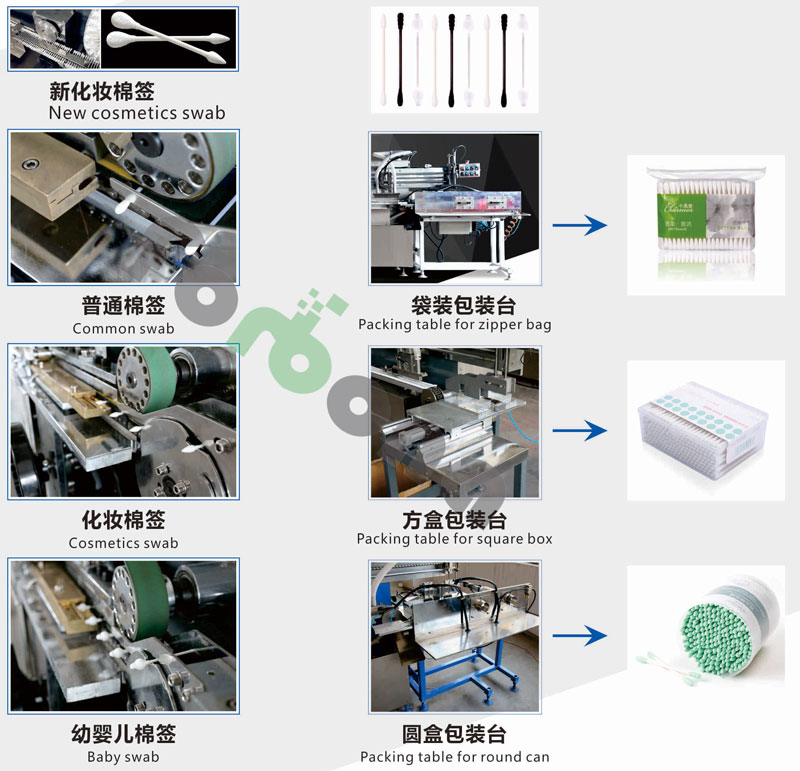
The FBN-01, for example, requires only 2–3 operators to complete the entire operation, which means less human error and fewer coordination issues compared to multi-machine setups. To explore all integrated options, browse the complete cotton swab machine product line and compare models side by side.
When to Seek Professional Support
While preventive maintenance can prevent most downtime events, some issues require professional attention. Signs that you should contact your machine supplier include:
- Recurring issues that resist standard troubleshooting
- Major component failures
- Performance degradation that cannot be explained by routine factors
- Safety system malfunctions
Forbona's sales and support team provides customized solutions for sample testing, shipping, installation, training, and after-sales service, with 24/7 support available.
Frequently Asked Questions
Q: How often should I perform preventive maintenance on a cotton swab making machine?
A: Daily cleaning and inspection should be performed each shift. Weekly checks of pneumatic systems and sensors are recommended, with more comprehensive monthly and quarterly inspections. The specific schedule should follow the machine's operation manual.
Q: What is the most common cause of downtime on a cotton swab production line?
A: Material inconsistencies—particularly stick dimensions outside specification and cotton sliver weight variations—are among the most frequent causes. Implementing incoming material quality checks can significantly reduce this type of downtime.
Q: Can I run different stick materials on the same machine?
A: Yes, machines like the FBN-01 support plastic, paper, wooden, and bamboo sticks. However, settings may need adjustment when switching between materials. Proper training and documentation of settings for each material type will minimize setup-related downtime.
Q: How do I know if my drying oven is performing correctly?
A: Signs of drying oven issues include swabs that are not fully dry after production, increased energy consumption, or inconsistent drying across production runs. The FBN-01 features a closed-type drying oven design that is economical and effective. Check temperature controller settings and inspect heating elements if performance degrades.
Q: Do I need a dedicated maintenance engineer for my cotton swab production line?
A: For most operations, a dedicated maintenance engineer is not necessary. Modern cotton swab machines are designed for simplicity and reliability. With proper operator training and a structured preventive maintenance schedule, routine maintenance can be handled by operators, with professional support available for major issues.
Q: What spare parts should I keep in stock to minimize downtime?
A: Critical spare parts include sensors, pneumatic cylinders, heating elements, belts, chains, and servo motor drivers. Keeping these items on hand can reduce repair time from days to hours when failures occur.
Conclusion
Reducing downtime on a cotton swab production line is not about a single silver-bullet solution. It requires a systematic approach that addresses material quality, operator training, preventive maintenance, and spare parts management.
The key takeaways are:
- Most downtime is preventable through structured maintenance and material quality control
- Daily cleaning and inspection catches small issues before they become major failures
- Material quality verification prevents the most common cause of production interruptions
- Operator training reduces setup errors and improves troubleshooting speed
- Spare parts inventory turns extended outages into quick repairs
For facilities looking to improve their production efficiency, the most practical first step is implementing a daily maintenance checklist and tracking downtime events to identify patterns. Once the primary causes are understood, targeted prevention strategies can be deployed.
If you are evaluating cotton swab making equipment or need assistance with maintenance planning, review the available machine configurations or contact the manufacturer's support team to discuss your specific production requirements.