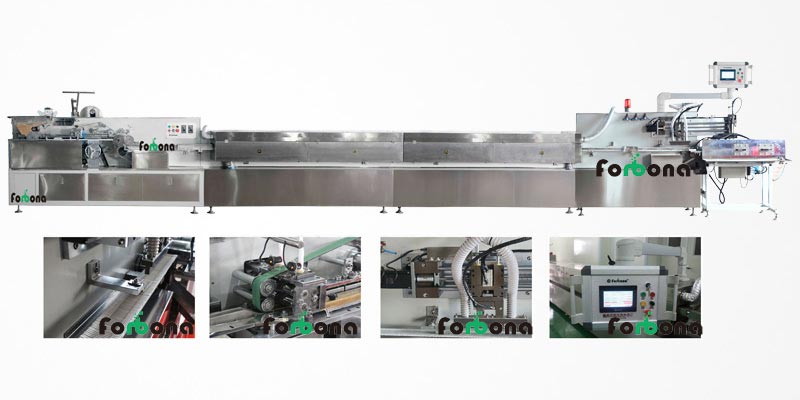


How to Stop Cotton Dust from Damaging Your Cotton Swab Machine Performance
Date: 9/8/2026 2:30:00 PM Click: 166
Cotton dust is an unavoidable byproduct of cotton swab manufacturing. Every production run generates fine fibers, lint, and dust particles that settle on machine surfaces, infiltrate moving parts, and accumulate in hard-to-reach areas.
Over time, this seemingly harmless dust can cause serious problems: sensors that fail to detect materials, moving parts that wear prematurely, electrical components that overheat, and even fire hazards. According to Forbona's official safety operation rules, operators are required to "clean up the cotton dust on the whole machine" and "clean chains and big wheels every shift". These instructions exist for good reason—cotton dust is one of the most significant threats to long-term machine performance.
This article explains how cotton dust damages cotton swab machines, which machine components are most vulnerable, and what you can do to protect your equipment and maintain production efficiency.
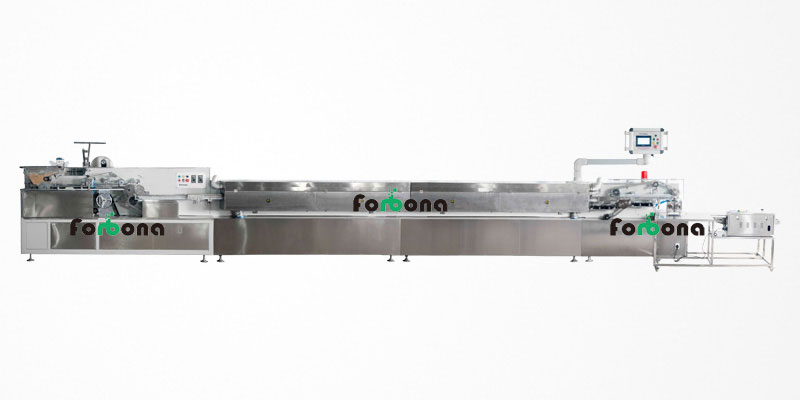
How Cotton Dust Damages Machine Performance
Cotton dust may appear to be just a cleanliness issue, but its effects on machinery are far more serious. The damage occurs through several mechanisms:
1. Sensor Interference and False Readings
Modern cotton swab machines rely on sensors for precise operation. The FBN-1200MS Medical Cotton Swab Machine, for example, uses Japan Omron sensors to detect when sticks are finished and when cotton is not feeding properly. The FBN-01S automatic model also incorporates similar sensor technology for reliable detection.
When cotton dust accumulates on sensor lenses or around sensor housings, it can cause:
- False readings: Sensors may fail to detect materials, triggering unnecessary machine stops
- Missed detections: Sensors may fail to alert operators when materials run out
- Erratic operation: Intermittent sensor signals can cause unpredictable machine behavior
Forbona's safety rules explicitly identify this issue: "There is too much cotton dust on the feeding wheel: clean it up". When sensors cannot accurately detect the feeding wheel's position, the entire production sequence can be disrupted.
2. Mechanical Wear and Tear
Cotton dust acts as an abrasive material. When fine cotton fibers and dust particles enter bearings, gears, and sliding surfaces, they accelerate wear. According to textile industry research, the accumulation of fine dust particles in machinery can cause "rapid wear and tear of machinery components".
In cotton swab machines, the most vulnerable mechanical components include:
- Bearings: Dust infiltration causes increased friction and premature failure
- Chains and gears: Dust mixed with lubricant forms an abrasive paste that wears teeth and links
- Sliding surfaces: Dust particles scratch and score precision surfaces
- Pneumatic cylinders: Dust contamination can damage seals and cause air leaks
3. Electrical System Risks
Cotton dust is not only abrasive—it is also combustible. When dust accumulates on electrical components, it can:
- Insulate heat: Dust layers trap heat, causing components to overheat
- Create conductive paths: In humid conditions, dust can become conductive and cause short circuits
- Increase fire risk: Cotton dust can ignite from electrical sparks or friction
Textile dust, including cotton lint, is classified as highly combustible. This is why proper dust management is not just about performance—it is about safety.
4. Product Quality Degradation
Dust that accumulates on machine surfaces can contaminate finished products. Loose fibers and dust particles may transfer to cotton swabs during production, affecting:
- Appearance: Visible dust or lint on finished swabs
- Absorbency: Contamination can affect the swab's ability to absorb liquids
- Medical compliance: For medical-grade swabs, contamination is unacceptable
The FBN-1200MS is designed to produce cotton swabs that comply with "country medical rule second grade". Maintaining a dust-free production environment is essential for meeting these standards.
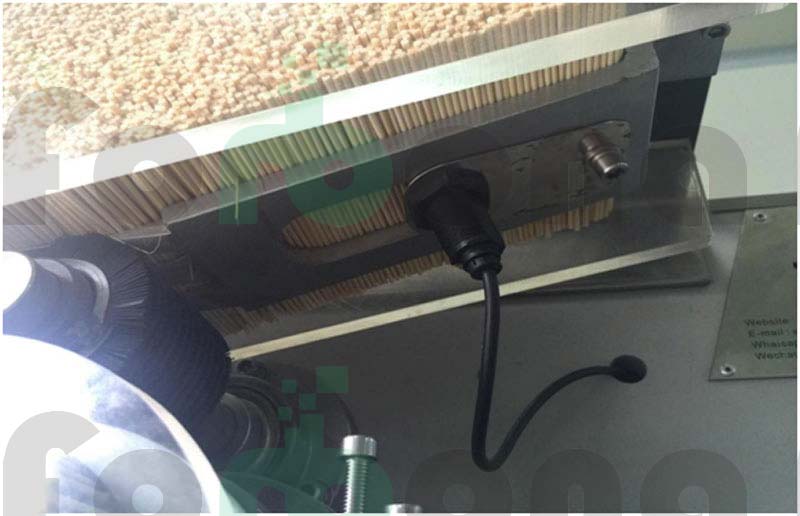
Which Machine Components Are Most Vulnerable?
Understanding which parts of your cotton swab machine are most susceptible to cotton dust damage helps you focus maintenance efforts where they matter most.
| Component | Vulnerability | Consequence of Dust Accumulation |
|---|---|---|
| Sensors (Omron) | Dust on lenses or housings | False readings, machine stops |
| Feeding wheel | Dust buildup on surface | Material feeding errors |
| Chains and gears | Dust + lubricant = abrasive paste | Premature wear, frequent replacement |
| Pneumatic cylinders | Dust contamination of seals | Air leaks, reduced actuation force |
| Electrical panel | Dust accumulation on components | Overheating, short circuits, fire risk |
| Drying oven | Dust on heating elements | Reduced efficiency, fire hazard |
| Rollers and guides | Surface scratches from abrasive dust | Poor cotton wrapping quality |
| Bearings | Dust infiltration | Increased friction, premature failure |
How Machine Design Can Help Reduce Dust Impact
Not all cotton swab machines are equally vulnerable to dust damage. Design features can significantly reduce dust accumulation and make cleaning easier.
Stainless Steel Construction
The FBN-1200MS features "high-grade stainless steel" construction for "all the aircraft door". Stainless steel offers several advantages:
- Smooth surface: Dust does not adhere as readily as it does to rougher surfaces
- Corrosion resistance: Resists damage from cleaning agents
- Easy cleaning: Dust can be wiped away quickly and thoroughly
- Hygienic: Essential for medical-grade production environments
Forbona notes that the stainless steel construction is "beautiful, hygienic and easy to clean". This is not just aesthetic—it directly reduces the time and effort required for dust removal.
Chrome-Plated Parts
Some machine components are chrome-plated to resist wear and rust. Chrome plating provides a hard, smooth surface that:
- Reduces dust adhesion
- Resists abrasion from dust particles
- Extends component lifespan
Dust Removal Systems
The FBN-1200MS includes four fans "for blowing the steam" to ensure "the swabs with 0% humidity". While these fans are primarily for moisture control, air movement can also help prevent dust from settling on critical components.
Enclosed Designs
Enclosing sensitive components—such as electrical panels, sensors, and control systems—prevents dust infiltration. The FBN-1200MS uses stainless steel doors that can be closed during operation to protect internal components.
For a broader view of design options, review the complete cotton swab machine product line to compare features across models.
Best Practices for Controlling Cotton Dust
Daily Cleaning Routine
Forbona's safety rules specify that operators should "clean up the cotton dust on the whole machine" daily. A comprehensive daily cleaning routine should include:
| Task | Frequency | Priority |
|---|---|---|
| Clean sensor lenses and housings | Each shift | High |
| Remove dust from feeding wheel | Each shift | High |
| Clean chains and large wheels | Each shift | High |
| Wipe down stainless steel surfaces | Each shift | Medium |
| Clean around the equipment floor | Each shift | Medium |
| Inspect and clean pneumatic fittings | Weekly | Medium |
| Clean electrical panel interior | Monthly | High |
| Deep clean drying oven | Monthly | High |
Proper Cleaning Techniques
How you clean is as important as how often. Effective dust removal requires:
Use the right tools:
- Soft brushes for removing loose dust
- Lint-free cloths for wiping surfaces
- Vacuum with HEPA filter for capturing fine particles
- Compressed air (used carefully, with proper respiratory protection)
Avoid spreading dust:
- Clean from top to bottom so dust falls away from cleaned areas
- Use wet wiping for surfaces where dust tends to resettle
- Collect dust in sealed containers to prevent recontamination
Focus on critical areas:
- Sensors and optical components require careful cleaning to avoid scratching
- Electrical panels should be cleaned with non-conductive tools
- Pneumatic fittings should be inspected for dust infiltration
Material Quality Control
The amount of dust generated depends partly on the quality of incoming materials. Higher-quality cotton sliver produces less dust. In textile processing, "improve cleaning of dust in earlier stages of processing" and "get more dust out of the cotton before it arrives at the mill" are recognized best practices.
For cotton swab manufacturers, this means:
- Source high-quality cotton sliver with minimal dust content
- Store cotton in clean, dry environments to prevent moisture-related degradation
- Inspect incoming materials for excessive dust or contamination
Environmental Controls
The production environment affects dust accumulation. Consider:
- Humidity control: Proper humidity reduces static electricity that attracts dust. The FBN-1200MS controls humidity "at zero humidity" to prevent mildew.
- Air filtration: Install dust collection systems to capture airborne particles.
- Positive pressure: Maintain positive air pressure in the production area to keep dust out.
When Dust Problems Indicate a Deeper Issue
If you find yourself cleaning dust excessively or repeatedly experiencing dust-related problems, it may indicate:
- Poor material quality: Switch to a higher-grade cotton sliver supplier.
- Inadequate ventilation: Install or upgrade dust collection systems.
- Worn seals or enclosures: Inspect and replace seals that allow dust infiltration.
- Incorrect machine settings: Overly aggressive production speeds may generate more dust.
- Insufficient maintenance: Review and upgrade your maintenance program.
You can also watch machine operation videos for visual guidance on maintenance procedures and troubleshooting.
FAQ
Q: How often should I clean cotton dust from my cotton swab machine?
A: Daily cleaning is essential. According to Forbona's safety rules, operators should clean cotton dust from the entire machine, including chains and large wheels, every shift. Sensors and feeding wheels require particular attention.
Q: Can cotton dust cause fires in cotton swab machines?
A: Yes. Cotton dust is highly combustible. When dust accumulates on electrical components or near heat sources like drying ovens, it creates a fire risk. Research shows that friction sparks can ignite cotton fibrous dust layers. Regular cleaning and proper machine design (like stainless steel enclosures) help reduce this risk.
Q: How does cotton dust affect machine sensors?
A: Dust on sensor lenses or housings can cause false readings, missed detections, and erratic machine operation. The FBN-1200MS uses Japan Omron sensors that rely on clear optical paths. Dust accumulation on these sensors can trigger unnecessary machine stops or fail to alert operators when materials run out.
Q: What machine design features help reduce cotton dust problems?
A: Stainless steel construction provides smooth surfaces that are easy to clean. Chrome-plated parts resist abrasion from dust. Enclosed electrical panels and sensor housings prevent dust infiltration. Fans for air circulation can also help keep dust from settling.
Q: Is cotton dust more damaging to some machine components than others?
A: Yes. Sensors, feeding wheels, chains, gears, pneumatic cylinders, electrical panels, and bearings are particularly vulnerable. These components should receive priority during cleaning and inspection.
Q: Can improving material quality reduce cotton dust problems?
A: Yes. Higher-quality cotton sliver generates less dust. Sourcing cleaner raw materials and storing them properly can significantly reduce the dust burden on your machine.
Conclusion
Cotton dust is more than a housekeeping nuisance—it is a direct threat to your cotton swab machine's performance, reliability, and safety. From sensor interference and mechanical wear to fire risks and product contamination, the effects of uncontrolled dust accumulation are serious and cumulative.
The key takeaways are:
- Clean daily: Follow the safety rules—clean the entire machine, chains, and wheels every shift
- Choose wisely: Machines with stainless steel construction, chrome-plated parts, and enclosed designs are easier to keep clean
- Control the source: Higher-quality cotton sliver generates less dust
- Inspect regularly: Pay special attention to sensors, feeding wheels, and electrical components
- Think safety: Cotton dust is combustible—proper cleaning is a fire prevention measure
If you are evaluating cotton swab production equipment or need assistance with maintenance planning, contact the manufacturer's support team to discuss your specific production requirements.