

Global Cotton Swabs Market to Reach $1.14B by 2032
Date: 8/5/2026 9:52:00 AM Click: 146
The global cotton swabs market is on a steady growth trajectory. According to industry research, the market was valued at approximately US$ 899 million in 2025 and is projected to reach US$ 1,143 million (approximately $1.14 billion) by 2032, representing a compound annual growth rate (CAGR) of 3.5% during the forecast period.
This growth is not uniform across all regions or product segments. Driven by rising healthcare expenditure, increasing personal care awareness, and a notable shift toward sustainable materials, the cotton swabs industry is undergoing significant transformation; for manufacturers—whether existing players or those considering entry into the market—understanding these trends is essential for making informed production and equipment investment decisions.
This article examines the key drivers behind the market's growth, regional variations, emerging sustainability trends, and what these developments mean for cotton swab production equipment buyers.
Market Size and Growth Forecast
Multiple industry research reports confirm a consistent growth outlook for the global cotton swabs market.
| Source | 2025 Market Value | 2032 Forecast | CAGR |
|---|---|---|---|
| QY Research | US$ 899 million | US$ 1,143 million | 3.5% |
| Reports and Markets | US$ 925 million | US$ 1,170 million | 3.5% |
| Market Publishers | US$ 578 million | US$ 772 million | 4.22% |
While estimates vary depending on methodology and scope, the consensus points to steady growth—most forecasts project a CAGR between 3.5% and 4.3% through the early 2030s.
The broader Cotton Balls and Swabs market—which includes cotton balls in addition to swabs—is projected to grow from $10.2 billion in 2024 to $14.5 billion by 2032, at a CAGR of 4.5%. This suggests that cotton swabs represent a significant and growing segment within the larger personal care and medical consumables market.
For context, the medical swabs segment alone was valued at approximately US$ 807 million in 2025 and is expected to reach US$ 1,086 million by 2032, growing at a CAGR of 4.4%. This indicates that medical-grade cotton swabs are growing slightly faster than the overall market—a trend worth noting for manufacturers serving healthcare customers.
Key Drivers of Market Growth
1. Expanding Healthcare and Medical Applications
The global healthcare industry continues to expand, driving demand for medical-grade cotton swabs used in clinics, hospitals, and diagnostic settings. Cotton swabs are essential consumables for specimen collection, wound cleaning, and various medical procedures.
2. Rising Personal Care and Hygiene Awareness
Consumer awareness of personal hygiene has increased significantly, particularly following the COVID-19 pandemic. Cotton swabs remain a staple product for personal care routines, including ear cleaning, cosmetic application, and baby care.
3. Growth in Hospitality and Salon Industries
Cotton swabs are widely used in hotels, spas, beauty salons, and other service industries. As these sectors recover and expand globally, demand for disposable cotton swabs continues to grow.
4. Sustainability-Driven Product Innovation
Perhaps the most significant trend shaping the market is the shift toward sustainable materials. Regulatory actions targeting single-use plastics and evolving consumer preferences are accelerating the adoption of paper-stem and bamboo-stem cotton swabs. The plastic-free cotton swabs market alone was valued at US$ 774 million in 2023 and is projected to reach US$ 1,059 million by 2030, at a CAGR of 4.5%.

Regional Market Dynamics
Different regions are experiencing different growth patterns, which has important implications for manufacturers and equipment suppliers.
Asia-Pacific
The Asia-Pacific region is expected to see robust growth, driven by:
- Large and growing populations with increasing healthcare access
- Expanding middle class with rising disposable income
- Growing manufacturing capabilities and export-oriented production
Countries like China, India, and Southeast Asian nations are both major producers and consumers of cotton swabs. For manufacturers in these regions, the opportunity lies in serving both domestic demand and export markets.
North America and Europe
Mature markets in North America and Europe are characterized by:
- High per capita consumption of cotton swabs
- Stringent quality and safety regulations
- Strong consumer preference for sustainable and plastic-free products
Manufacturers serving these markets must comply with medical device regulations where applicable and increasingly offer eco-friendly product options.
Middle East and Africa
Emerging markets in the Middle East and Africa present growth opportunities driven by:
- Expanding healthcare infrastructure
- Growing tourism and hospitality sectors
- Increasing imports of medical and personal care consumables
The Sustainability Shift: A Game-Changer for Production
The transition from plastic-stem to paper-stem and bamboo-stem cotton swabs is one of the most consequential trends affecting the industry.
Regulatory Pressures
Many jurisdictions have implemented or are considering bans on plastic-stem cotton swabs. The European Union's Single-Use Plastics Directive, for example, has already led to significant market shifts. Similar regulatory actions in other regions are expected to accelerate.
Consumer Preferences
Consumers and institutional buyers increasingly prioritize reduced plastic use and greater transparency, prompting manufacturers to accelerate adoption of alternative stems and recycled inputs.
Implications for Production Equipment
This sustainability shift has direct implications for cotton swab production equipment:
- Material compatibility: Machines must be capable of processing paper, wooden, and bamboo sticks—not just plastic
- Precision requirements: Different materials have different tolerances. Paper sticks, for example, may require more precise feeding mechanisms
- Flexibility: Manufacturers may need to switch between different stick materials based on customer requirements and regional regulations
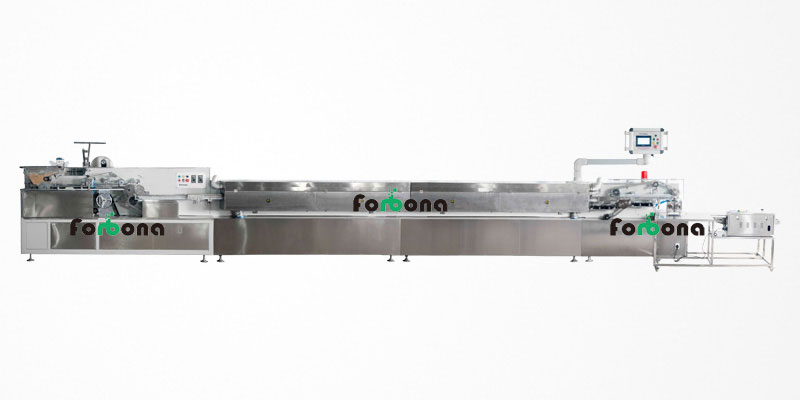
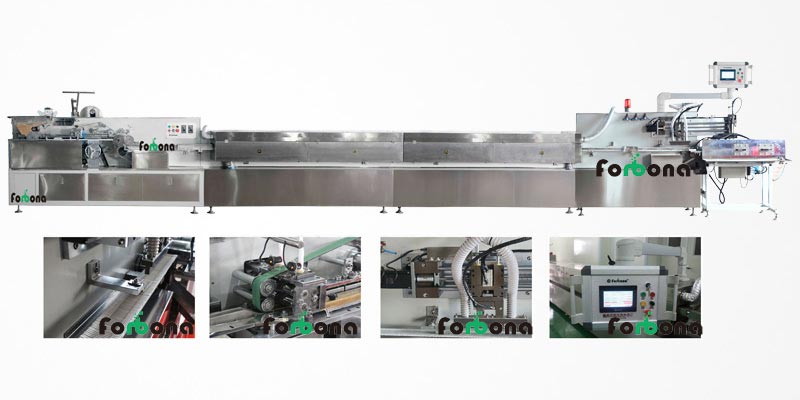
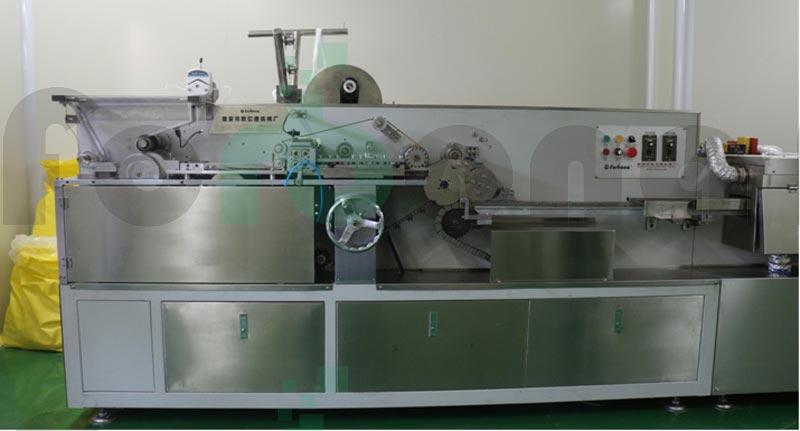
The FBN-01S Automatic Cotton Swab Machine, for example, is designed to handle multiple stick types including plastic, paper, wooden, and bamboo, with stick length of 70mm and diameter of 2.0–2.5mm. This type of versatility is becoming increasingly valuable as the market shifts toward sustainable materials.
What Market Growth Means for Equipment Buyers
For businesses considering entering the cotton swab manufacturing market or expanding existing production capacity, the market outlook presents both opportunities and considerations.
Opportunity: Growing Demand Creates Room for New Entrants
A growing market means increasing demand for cotton swabs—and therefore increasing demand for production capacity. For new manufacturers, this represents an opportunity to enter a market with established and growing demand.
Consideration: Competition Is Also Growing
As the market grows, so does competition. Manufacturers who enter the market need to consider:
- Production efficiency
- Product quality and consistency
- Material flexibility
- Cost competitiveness
Equipment Selection Factors
When evaluating cotton swab production equipment, buyers should consider:
| Factor | Why It Matters |
|---|---|
| Production speed | Higher speed = higher output per machine. FBN-01S offers 1000–1200 pcs/min |
| Material compatibility | Ability to process plastic, paper, wooden, and bamboo sticks |
| Integration | Combined making, drying, and packing in one machine reduces labor and floor space |
| Component quality | Reliable components reduce downtime |
| Power consumption | 8.5kw/hour for FBN-01S affects operating costs |
| Labor requirements | 2–3 operators per machine |
To explore all available options, review the available machine configurations and compare models side by side.
Market Trends to Watch
1. Continued Growth in Medical Applications
The medical swabs segment is growing at 4.4% CAGR—faster than the overall cotton swabs market. Manufacturers who can produce medical-grade cotton swabs meeting relevant certification standards may find particularly strong demand.
2. Accelerating Shift to Sustainable Materials
The plastic-free cotton swabs market is projected to grow at 4.5% CAGR. Manufacturers who invest in equipment capable of processing sustainable materials will be better positioned for this transition.
3. Increasing Automation
Labor costs and quality consistency concerns are driving demand for more automated production lines. Fully automatic machines that require only 2–3 operators—like the FBN-01S—are becoming increasingly attractive.
4. Regional Production Shifts
As production costs evolve and trade dynamics change, some manufacturing is shifting to lower-cost regions. This creates opportunities for equipment suppliers serving these emerging manufacturing hubs.
Frequently Asked Questions
Q: What is the projected size of the global cotton swabs market by 2032?
A: According to industry research, the global cotton swabs market is projected to reach approximately US$ 1,143 million ($1.14 billion) by 2032, up from US$ 899 million in 2025, representing a CAGR of 3.5%.
Q: Which regions are driving growth in the cotton swabs market?
A: The Asia-Pacific region is expected to see robust growth driven by expanding populations, rising healthcare access, and growing manufacturing capabilities. Mature markets in North America and Europe are characterized by high per capita consumption and strong demand for sustainable products. Emerging markets in the Middle East and Africa also present growth opportunities.
Q: How is the shift to sustainable materials affecting the cotton swabs industry?
A: Regulatory actions targeting single-use plastics and evolving consumer preferences are accelerating the adoption of paper-stem and bamboo-stem cotton swabs. The plastic-free cotton swabs market alone is projected to grow at a CAGR of 4.5% through 2030.
Q: What should I consider when choosing cotton swab production equipment?
A: Key factors include production speed, material compatibility (plastic, paper, wooden, bamboo), level of automation, component quality, power consumption, and labor requirements.
Q: Is the medical cotton swabs segment growing faster than the overall market?
A: Yes. The global disposable medical cotton swabs market is projected to grow from US$ 807 million in 2025 to US$ 1,086 million in 2032, at a CAGR of 4.4%—faster than the overall cotton swabs market CAGR of 3.5%.
Q: How does automation benefit cotton swab production?
A: Automated machines reduce labor costs, improve production consistency, and increase output. Fully automatic integrated machines like the FBN-01S require only 2–3 operators and can produce 1000–1200 pieces per minute.
Conclusion
The global cotton swabs market is on a steady growth path, with projections indicating expansion from approximately US$ 899 million in 2025 to US$ 1,143 million by 2032. This growth is driven by expanding healthcare needs, rising personal care awareness, and a significant shift toward sustainable materials.
For manufacturers and investors considering cotton swab production, the key takeaways are:
- Market demand is growing—but competition is also increasing. Efficiency and quality matter.
- Sustainability is not optional—regulatory pressures and consumer preferences are accelerating the shift to paper and bamboo stems.
- Equipment flexibility is essential—machines that can handle multiple stick types offer better long-term value.
- Automation reduces costs—fully automatic machines with low labor requirements provide a competitive advantage.
If you are evaluating cotton swab production equipment or planning to enter this growing market, review the available machine configurations and contact the manufacturer's support team to discuss your specific production requirements.