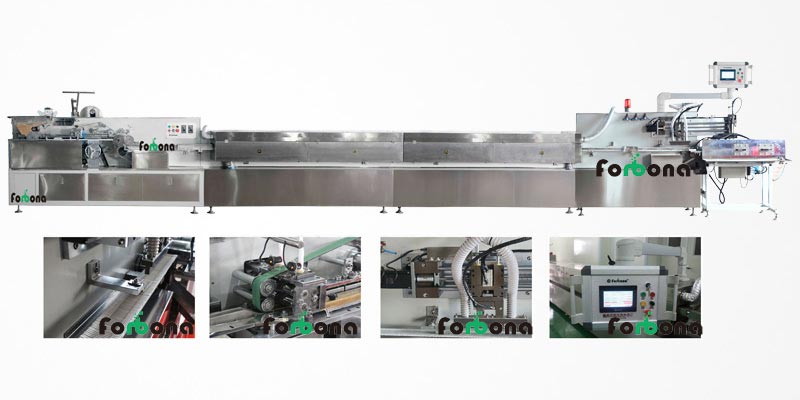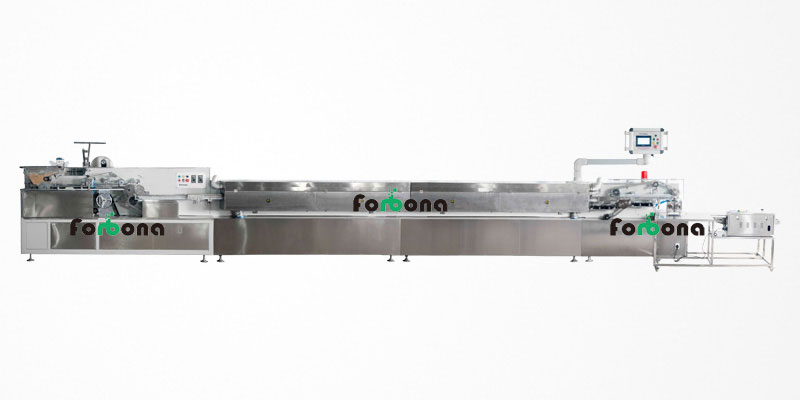


How to Reduce Machine Downtime | Cleaning Schedules & Wear Part Life | Forbona
Date: 7/21/2026 3:10:00 PM Click: 239
You walk into your factory expecting a full day of production. Instead, you find a machine sitting idle—broken down, waiting for a replacement part that won't arrive for days. The order backlog grows. The cost of that single failure ripples through your entire operation.
Unplanned downtime is one of the most persistent and costly problems in manufacturing. Research by Deloitte reveals that unplanned downtime costs manufacturers a full $50 billion every year, with poor maintenance strategies reducing a site's productive capacity by almost 20%. For small and medium-sized factories, the impact is even more severe: Siemens estimates that unscheduled downtime can consume up to 11% of annual revenues for affected production lines.
This guide addresses three interconnected factors that determine your machine's uptime: preventive maintenance schedules, cleaning protocols, and wear part service life. Understanding how these elements work together is the difference between a production line that runs reliably and one that constantly stops.
Understanding the True Cost of Machine Downtime
Before discussing solutions, it’s worth understanding what downtime actually costs. The numbers are not abstract—they represent lost orders, idle labor, and eroded customer trust.
Unplanned downtime costs manufacturers between $5,000 and $50,000 per hour, depending on production complexity and market value. These losses compound through supply chains and customer relationships. A single unplanned stoppage can delay shipments, trigger penalty clauses, and damage long-term commercial relationships.
For a small factory producing disposable hygiene products—where margins are typically thin—even a few hours of unplanned downtime can wipe out an entire week's profit. The root causes are usually predictable: inadequate maintenance, poor cleaning, or worn parts that should have been replaced earlier.
What this means for your factory:Downtime isn‘t just an inconvenience—it’s a direct cost that comes out of your bottom line. Every hour of unplanned stoppage is an hour of lost revenue that you cannot recover.
Building an Effective Preventive Maintenance Schedule
Preventive maintenance is the single most effective tool for reducing unplanned downtime. Instead of waiting for machines to fail and then repairing them—a reactive approach known as “run-to-failure”—preventive maintenance addresses potential issues before they cause stoppages.
A preventive maintenance program is a systematic approach that focuses on regularly scheduled maintenance of equipment to prevent failures from occurring. Research shows that implementing a preventive maintenance policy can reduce total maintenance expenses by 25–30% compared to reactive repair maintenance. More broadly, preventive maintenance optimization can reduce equipment downtime by 30–50% and increase machine life by 20–40%.
The Core Components of a Preventive Maintenance Program
A well-designed preventive maintenance schedule should include:
| Maintenance Activity | Frequency | Why It Matters |
|---|---|---|
| Visual inspection | Daily | Catches loose components, leaks, and visible wear before they become failures |
| Lubrication | As specified | Reduces friction and wear on moving parts; prevents premature component failure |
| Belt and chain tension check | Weekly | Prevents slippage and breakage that can cause sudden stoppages |
| Electrical connection check | Monthly | Prevents shorts and power failures |
| Bearing lubrication | Every 3 months | Extends bearing life and prevents seizure |
| Comprehensive inspection | Every 6–12 months | Identifies wear patterns and plans replacement parts |
The key insight is that preventive maintenance doesn't have to be expensive or complex. A study on preventive maintenance scheduling found that by classifying spare parts into cost categories—A (20% of parts), B (30%), and C (50%)—and setting maintenance intervals of 5–6 months based on part criticality, total maintenance costs were reduced by 25–30% compared to reactive approaches.
What this means for your factory:The goal isn’t to maintain everything constantly—it‘s to maintain the right things at the right time. Prioritize high-wear, high-impact components and schedule maintenance during planned downtime rather than waiting for failures.
Cleaning Schedules: The Overlooked Foundation of Reliability
Cleaning is often treated as housekeeping rather than maintenance. But in disposable hygiene manufacturing—where cotton dust, adhesive residue, and debris are constant byproducts—cleaning directly determines machine reliability.
Cotton dust is highly flammable. Adhesive residue hardens and clogs nozzles and glue holes. Debris left on machine platforms can cause jams during startup. A machine that isn‘t cleaned properly at the end of each shift is a machine that will start the next shift with hidden problems.
Recommended Daily Cleaning Tasks
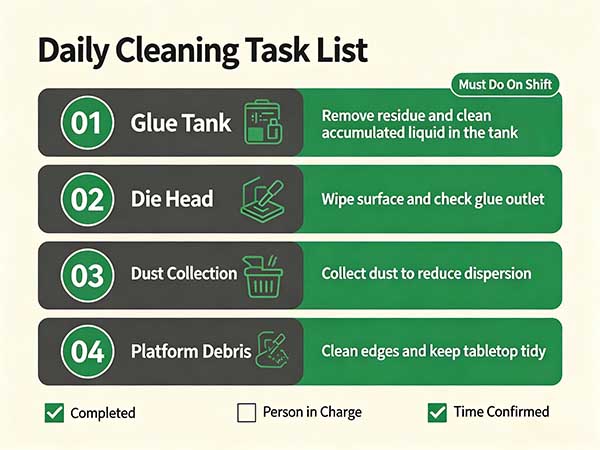
For cotton swab production machines—and similar disposable hygiene equipment—the following daily cleaning tasks should be performed at the end of every shift:
-
Remove and clean the inner glue water tank and rubber wheels—prevents adhesive from hardening and clogging the system.
-
Clean debris from the suction fan inlet to maintain optimal airflow and prevent cotton waste buildup.
-
Wipe the die head with clean water or cleaning fluid—removes residue that affects product quality.
-
Clear broken sticks and debris from the main machine platform—prevents jams and ensures smooth startup.
-
Clean all broken labels and debris from the packaging machine—keeps the packaging line running reliably.
-
Remove cotton dust from the entire machine—reduces fire risk and maintains equipment performance.
-
Clean the floor around the equipment—maintains a safe, professional work environment.
Beyond daily cleaning, regular cleaning of the suction cup fan inlet is essential to avoid excessive cotton waste affecting suction effectiveness.
What this means for your factory:The 15–20 minutes you spend cleaning at the end of each shift saves hours of troubleshooting and repair over the life of the equipment. A clean machine is a reliable machine.
Managing Wear Part Service Life
Every machine has components that wear out over time. The difference between a well-managed operation and a chaotic one is knowing when those components will fail—and replacing them before they do.
Wear parts in disposable hygiene production machines typically include:
-
Bearings—subject to continuous rotation and load
-
Belts and chains—subject to tension, friction, and fatigue
-
Blades and cutting tools—subject to abrasion and dulling
-
Suction cups and air components—subject to wear and debris accumulation
-
Glue nozzles and die heads—subject to adhesive buildup and clogging
Condition monitoring can predict the remaining service life of process-critical components, helping you avoid unplanned downtime and giving you time to plan maintenance and order spare parts in advance. For factories without advanced monitoring systems, simple tracking of replacement intervals—based on operating hours or calendar time—provides a solid foundation.
A practical approach to wear part management:
-
Track replacement dates for every major wear component.
-
Set replacement intervals based on manufacturer recommendations and your own operating data.
-
Keep critical spares in stock—components that would cause extended downtime if they fail.
-
Inspect wear parts regularly—visual inspection during cleaning can catch issues early.
Regularly checking whether screws in all parts are loose or shifted, and cleaning the comb and moving towing slot regularly, prevents the falling cotton swabs from breaking the tow bar, cable, or air pipe.
What this means for your factory:A part that fails unexpectedly costs you not just the replacement cost, but the hours of lost production while you wait for delivery. Stocking critical spares and tracking replacement intervals is insurance against costly downtime.
Bringing It All Together: A Three-Tiered Maintenance Strategy
The most effective approach to downtime reduction combines all three elements—preventive maintenance, cleaning, and wear part management—into a single, coordinated strategy.
Daily(Operator-Led)
-
Complete end-of-shift cleaning routine
-
Visual inspection for obvious issues
-
Check glue holes and suction systems
-
Remove debris and cotton dust
Weekly / Monthly(Supervisor-Led)
-
Lubricate moving parts
-
Check belt and chain tension
-
Inspect wear parts for signs of deterioration
-
Review production data for emerging issues
Quarterly / Semi-Annual(Maintenance Team-Led)
-
Comprehensive inspection of all major components
-
Replace wear parts approaching end of service life
-
Calibrate sensors and control systems
-
Review and update maintenance schedule based on data
Research validates this tiered approach. A study on Total Productive Maintenance found that training equipment operators to perform “autonomous maintenance” daily—including precision checks, lubrication, parts replacement, and abnormality detection—significantly improves equipment reliability.
Examples of practical application scenarios
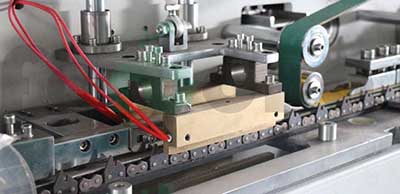
Scenario: A small factory running a fully automatic cotton swab production line
The factory operates a single fully automatic line producing 350–400 swabs per minute. The operation runs one 8-hour shift, five days per week.
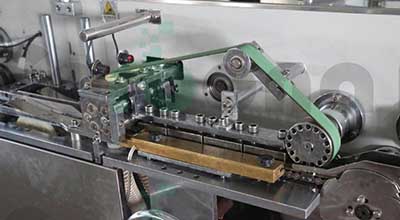
Key considerations for downtime reduction:
-
Cleaning is non-negotiable: With cotton dust and adhesive residue as constant byproducts, skipping end-of-shift cleaning leads to clogged glue holes, reduced suction effectiveness, and jammed conveyors. The 15-minute daily cleaning routine is the single most important downtime prevention measure.
-
Wear parts need tracking: The machine's bearings, belts, suction cups, and blades all have finite service lives. Without tracking, failures come as surprises. A simple logbook tracking replacement dates and intervals prevents unexpected stoppages.
-
Preventive maintenance saves money: Instead of waiting for the machine to break down—which costs hours of lost production and emergency repair premiums—scheduling maintenance during planned downtime keeps production flowing.
-
Operator training matters: Operators who know what to look for—unusual noises, misaligned swabs, changes in suction—can catch problems before they become failures.
Result: A factory that implements this three-tiered approach can expect to reduce unplanned downtime by 30–50%, extend machine life by 20–40%, and significantly reduce maintenance costs.
From Guide to Implementation
You now have a practical framework for reducing machine downtime through preventive maintenance, disciplined cleaning, and wear part management. The key takeaways:
-
Unplanned downtime is expensive—$5,000–$50,000 per hour in many manufacturing settings.
-
Preventive maintenance reduces costs by 25–30% compared to reactive approaches.
-
Daily cleaning is non-negotiable—cotton dust and adhesive residue are reliability killers.
-
Wear part tracking prevents surprises—know when components will fail and replace them before they do.
-
A three-tiered strategy works—daily operator tasks, weekly/monthly inspections, and quarterly comprehensive maintenance.
Once you have established these foundational maintenance practices, the next logical step is understanding how different machine configurations affect maintenance requirements and downtime risk. You can review Forbona's cotton swab machine series to see how integrated making, drying, and packaging systems are designed for maintainability, or explore the broader range of disposable products machinery to evaluate how different equipment types compare in terms of maintenance demands.
Related Reading
-
How to Operate a Cotton Swab Making Machine: A Step-by-Step Guide for New Operators
-
Fully Automatic vs Semi-Automatic Cotton Swab Machine: Which One Fits Your Factory?
-
Common Cotton Swab Machine Problems and How to Fix Them
-
Raw Material Sourcing for Cotton Swab Manufacturing: A 2026 Guide
-
Operator Training Best Practices for Disposable Hygiene Production Lines
This article is part of Forbona's technical content library. No direct sales or pricing information is included. All technical discussions aim to help you make informed purchasing decisions.