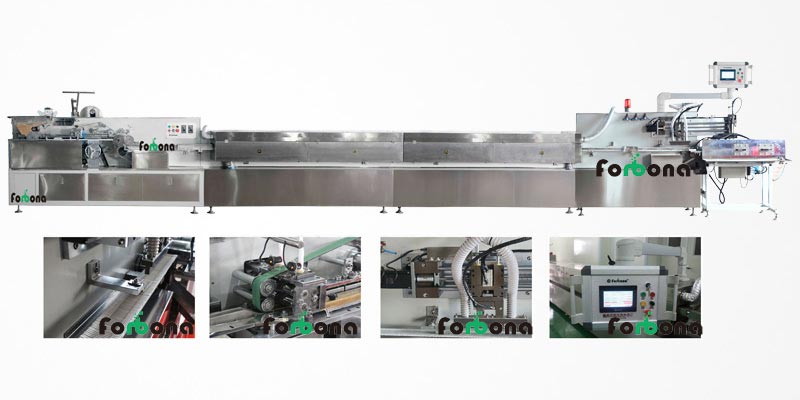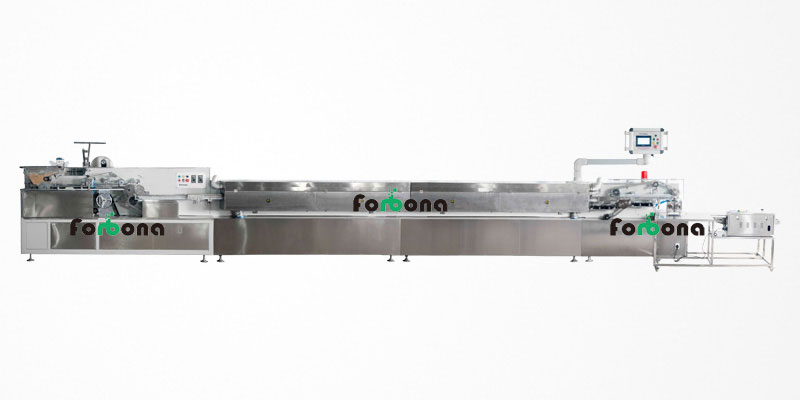


How to Operate a Cotton Swab Making Machine | Step-by-Step Guide | Forbona
Date: 7/16/2026 10:51:00 AM Click: 280
You've invested in the equipment. The machine is sitting on your factory floor. Now comes the moment of truth: how do you actually run it?
For new factory owners and operators, stepping up to a cotton swab production line can feel intimidating. The machine integrates multiple functions—stick feeding, cotton winding, drying, and packaging—into a single continuous flow. Get any step wrong, and you risk jams, defects, or even equipment damage.
This guide breaks down cotton swab machine operation into a clear, repeatable sequence. Whether you’re running a fully automatic line or a semi-automatic setup, these steps will help you start production confidently, maintain consistent quality, and keep your operators safe.
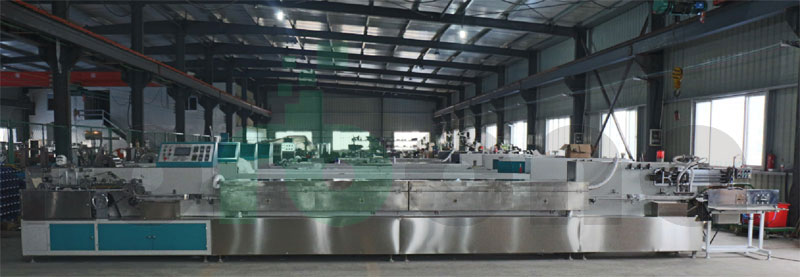
Before You Start: The Pre-Operation Checklist
Skipping pre-start checks is the number one cause of unnecessary downtime. A few minutes of inspection before you power up can save hours of troubleshooting later.
Here's what to verify before turning on the machine:
-
Equipment condition: Visually inspect the machine for any obvious faults, loose components, or signs of wear.
-
Raw material availability: Confirm that all required materials are in place—inner and outer adhesives, bamboo or paper sticks, and cotton sliver.
-
Adhesive levels: Check that the glue system has sufficient adhesive and that the glue holes on the molds are clear and unobstructed.
-
Air pressure: Verify that the air pressure is at the correct level for safe startup.
-
Safety guards: Ensure all protective covers and guards are in place.
-
Power connection: Confirm that all electrical connections are secure.
Why this matters:A machine that starts with low adhesive, clogged glue nozzles, or insufficient air pressure will produce defective swabs from the first batch. Worse, it may jam and require a full stop-and-clear procedure. Taking five minutes to check these items ensures your production run starts clean and stays that way.
Step-by-Step Operation: From Startup to Full Production
Once your pre-start checks are complete, follow this sequence to bring the machine online and maintain steady production.
Power On and Speed Adjustment
Turn on the main power and allow the machine to initialize. Most modern cotton swab machines use PLC control systems that run through a brief self-diagnostic sequence.
Set the machine to its normal operating speed. For many standard models, this falls in the range of 350 to 400 swabs per minute. Start at the lower end of this range and gradually increase to full speed once you confirm smooth operation.
Material Feeding
Once the machine is running at operating speed, begin feeding raw materials into the line:
-
Sticks: The automatic feeding system conveys sticks into the assembly line.
-
Cotton: Cotton fibers are carded, shaped, and fed to the winding station.
-
Adhesive: A fine adhesive mist is applied to the stick ends to ensure cotton tips attach firmly.
Monitor material intake closely during this phase. If sticks are not feeding smoothly or cotton is bunching, stop the feed and adjust before continuing.
Monitor Output Quality
As soon as finished swabs begin exiting the machine, start your quality checks:
-
Swab alignment: Observe whether the conveyor places finished swabs properly into the comb. Misaligned swabs indicate adjustment is needed.
-
Cotton coverage: Check that cotton tips are evenly formed with no exposed stick ends or loose fibers.
-
Adhesive consistency: Ensure glue is applied evenly, and no excess is visible.
Ongoing Monitoring
Once the line is running steadily, the operator's role shifts to vigilant monitoring:
-
Watch for broken sticks or cotton debris accumulating on the platform and clear them promptly.
-
Listen for unusual noises that might indicate a developing mechanical issue.
-
Check the control touch screen for any alarms and respond immediately if one appears.
Why this matters:A cotton swab machine running at 350–400 swabs per minute produces hundreds of swabs every minute. By the time you notice a quality issue visually, you may have already produced thousands of defective units. Continuous monitoring—not periodic checking—is what separates efficient production from costly rework.
Safety Protocols Every Operator Must Follow
Cotton swab machines combine high-speed moving parts, adhesives, and heat. Safety isn't optional—it's the foundation of reliable production.
These rules must be followed at all times:
-
Never insert fingers into the cotton forming section or transition wheels while the machine is running.
-
Keep body parts clear of all moving and transmission parts—clothing, hair, and hands must never contact rotating equipment.
-
Wear protective gear at all times, including hats and masks.
-
Power down before cleaning or adjusting—never wipe, adjust, or debug the machine while it is running. Cut the power and wait for a complete stop before any intervention.
-
Use proper tools—when cleaning chains and gears, never extend wires or other tools into the cotton forming area.
-
Respond to alarms immediately—stop the machine and address the fault indicated by the alarm.
According to safety guidelines from industrial equipment manufacturers, regularly inspecting safety protection devices and verifying their integrity is essential to prevent accidents.
Why this matters:A single moment of inattention around high-speed machinery can cause serious injury. These rules exist not to slow you down but to ensure everyone goes home safely at the end of every shift. Build them into your standard operating procedures and reinforce them daily.
Daily Shutdown and Cleaning Routine
How you end each production day determines how smoothly the next day starts. A thorough shutdown and cleaning routine prevents adhesive buildup, cotton dust accumulation, and mechanical issues that compound over time.
End-of-shift cleaning tasks:
| Task | Frequency | Why It Matters |
|---|---|---|
| Remove and clean the inner glue water tank and rubber wheels | Daily | Prevents adhesive from hardening and clogging the system |
| Clean debris from the suction fan inlet | Daily | Maintains optimal airflow and prevents cotton waste buildup |
| Wipe the die head with clean water or cleaning fluid | Daily | Removes residue that could affect product quality |
| Clear broken sticks and debris from the main machine platform | Daily | Prevents jams and ensures smooth startup |
| Clean all broken labels and debris from the packaging machine | Daily | Keeps the packaging line running reliably |
| Remove cotton dust from the entire machine | Daily | Reduces fire risk and maintains equipment performance |
| Clean the floor around the equipment | Daily | Maintains a safe, professional work environment |
Additional periodic maintenance:
-
Lubrication: Lubricate rotating bearings every three months and motor bearings every four months.
-
Chain and belt inspection: Check and adjust chain, gear, and belt tension regularly.
-
Electrical check: Secure all electrical connections and check fuse condition.
Why this matters:Cotton dust is highly flammable. Adhesive residue hardens and clogs. Debris left on the machine platform can cause jams during next-day startup. The 15–20 minutes you spend cleaning at the end of each shift saves you hours of troubleshooting and repair over the life of the equipment.
Real-World Application: A Typical Production Shift
To bring these steps together, here's what a standard production shift looks like for a small-to-medium factory running a fully automatic cotton swab line:
Shift start(8:00 AM)
-
Complete the pre-operation checklist(5 minutes)
-
Power on the machine and set speed to 350–400 swabs/min
-
Begin feeding materials and monitor initial output quality
Production run(8:15 AM – 12:00 PM)
-
Continuous monitoring of output quality and machine performance
-
Prompt removal of any defective swabs
-
Clear any broken sticks or cotton debris from the platform
Lunch break(12:00 PM – 1:00 PM)
-
Machine stopped; quick visual inspection before restart
Afternoon production(1:00 PM – 5:00 PM)
-
Resume monitoring with same attention to quality and safety
-
Respond immediately to any alarms
Shift end(5:00 PM – 5:20 PM)
-
Complete full shutdown and cleaning routine
-
Document any issues or observations for the next shift
During normal operation, the operator must pay close attention to every detail of the machine's actions, checking whether the suction cup is feeding material smoothly and whether swabs are being placed neatly into the comb. If swabs frequently break or fail to align properly, stop the machine immediately and adjust the comb or suction cup position.
From Operating Guide to Equipment Selection
You now have a practical, step-by-step framework for operating a cotton swab production line. The core takeaways:
-
Pre-start checks prevent problems—never skip the inspection routine.
-
Start slow, then ramp up—begin at 350–400 swabs/min and adjust as conditions allow.
-
Monitor continuously, not occasionally—quality issues appear fast at production speed.
-
Safety is non-negotiable—follow every protocol, every time.
-
Clean thoroughly at shift end—tomorrow's productivity depends on today's shutdown routine.
Once you have mastered these operational fundamentals, the next logical step is understanding how different machine configurations affect your daily workflow. You can explore Forbona’s cotton swab machine series to see how integrated making, drying, and packaging systems streamline the steps outlined in this guide, or review broader disposable products machinery to evaluate complementary equipment for your production line.
Related Reading
-
Cotton Swab Machine Maintenance Guide: Keeping Your Production Line Running
-
Fully Automatic vs Semi-Automatic Cotton Swab Machine: Which One Fits Your Factory?
-
Raw Material Sourcing for Cotton Swab Manufacturing: A 2026 Guide
-
Common Cotton Swab Machine Problems and How to Fix Them
-
Operator Training Best Practices for Disposable Hygiene Production Lines
This article is part of Forbona's technical content library. No direct sales or pricing information is included. All technical discussions aim to help you make informed purchasing decisions.