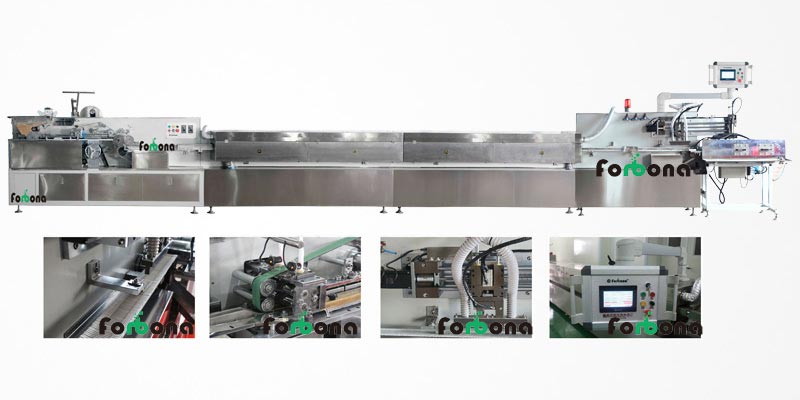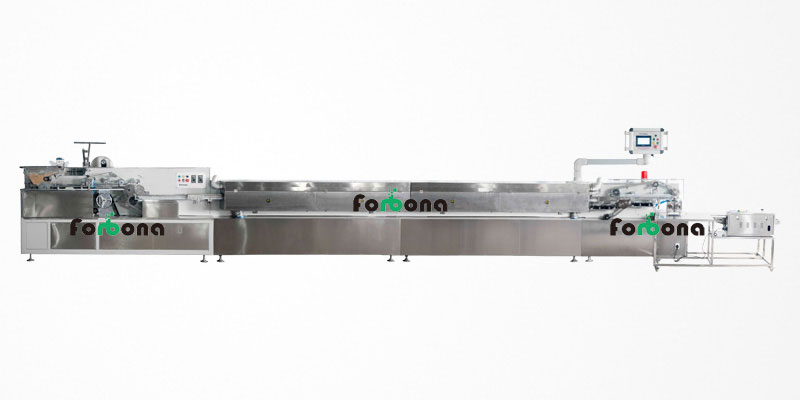


How to Choose a Cotton Swab Machine for Your Business
Date: 5/20/2026 3:06:00 PM Click: 332
Every year, billions of cotton swabs are produced globally for personal care, medical, and industrial use. If you’re planning to enter or expand in this market, one question stands out: How do you choose a cotton swab machine that won’t become a bottleneck or a money pit?
You’ve probably seen flashy brochures from dozens of suppliers. But after talking to factory owners who’ve been burned by unreliable equipment, we’ve learned that the best choice isn’t always the cheapest or the fastest on paper. Below, we break down 7 practical factors that actually matter when investing in a cotton swab production line.
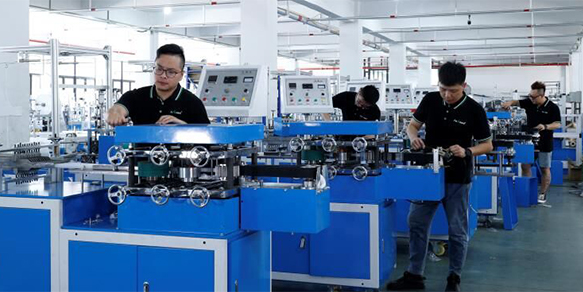
Understand Your Production Scale & Output Requirements
Start with real numbers. Are you serving local pharmacies, exporting in bulk, or supplying hospitals? Your target daily output (e.g., 200,000 sticks per shift vs. 1 million per day) determines which class of equipment you need.
Small benchtop units may work for artisanal or very low-volume needs, but they often lack consistency in stick diameter and tip formation. For any serious commercial operation, you’ll want industrial-grade cotton swab production equipment that can run 8–12 hours with minimal drift.
A common mistake: buying a machine rated for 600 pcs/min without checking its sustainable speed. Many suppliers quote peak speed, but the actual continuous speed is 20–30% lower. Ask for “working speed under normal conditions” in writing.
Raw Material Compatibility
Not all machines handle all materials equally. Some are optimized for plastic hollow sticks, others for paper sticks, and a few for bamboo or wood. Similarly, the cotton feeding system must work with your chosen grade of absorbent cotton or rayon.
If you plan to switch materials later, you need a flexible system with adjustable compression and sealing parameters. Rigid machines will force you to buy new equipment when regulations shift.
Machine Build Quality & Ease of Maintenance
This is where many first-time buyers get trapped. A shiny exterior with stainless steel panels doesn’t guarantee reliability. Look under the hood: Are drive belts and gears easily accessible? Are pneumatic components from standard brands? Can you reach the cam indexer and forming station without dismantling half the machine?
Maintenance-friendly design directly affects your uptime. Ask for a detailed maintenance schedule: lubrication points, belt replacement frequency, and average time for cleaning the tip-forming head. Suppliers who hesitate to share this probably don’t have a well-engineered product.
One experienced production manager we spoke with said, “I’d rather have a machine that’s 10% slower but can be fully serviced in 30 minutes than a speed demon that takes a full shift to disassemble for cleaning.”
Tip Formation Quality & Consistency
The tip shape (round, tapered, or pillow) and firmness are what your customers will judge. Poor tip formation leads to loose fibers, misshapen heads, and high reject rates.
Check how the machine controls cotton density and wrap angle. Machines with servo-controlled forming stations deliver much better consistency across shifts compared to purely mechanical cams. Ask for sample swabs produced at the machine’s rated speed – not just slow demo samples. Run them through a simple “pull test” and visual inspection under good light.

Energy Efficiency & Noise Level
In many regions, electricity costs for a medium-sized line can reach thousands of dollars monthly. A machine with energy-efficient servo motors and smart standby mode pays for itself over time. Ask for power consumption per 10,000 swabs.
Noise isn’t just about operator comfort – it’s a regulatory issue in some countries. High-frequency noise from poorly lubricated cam indexes also signals premature wear. Reliable suppliers provide noise test reports.
After-Sales Support & Spare Parts Availability
No matter how good the machine is, you will need spare parts. Common wear items: forming mandrels, cutting blades, belts, and sensors. Ask for a recommended spare parts kit and its cost. Then check whether those parts ship from a local warehouse or must be air-freighted from overseas.
Better yet, look for manufacturers that offer remote diagnostics and video-guided repairs. This has become a game-changer for businesses in regions without on-site technicians.
Total Cost of Ownership
Let’s be honest – a machine that costs 18,000 might seem like a bargain, but if it breaks down twice a month and has a high rejection rate (532,000 reliable lines).
Calculate:
-
Reject rate
-
Daily cleaning time
-
Technician's wage per hour for troubleshooting
-
Lost sales from late deliveries
A slightly higher upfront investment in a robust cotton swab manufacturing line almost always wins on 24-month TCO.
Making Your Final Decision – A Simple Checklist
Before signing any purchase agreement, verify these points:
-
Demo run with your actual raw materials
-
Written working speed
-
Spare parts price list and lead time
-
At least two customer references with similar production volume
-
CE or other relevant safety certifications
If a supplier can’t provide these, walk away.
Ready to Move Forward?
Choosing equipment is never easy, but focusing on these seven factors will help you avoid the most common pitfalls. You want a partner that stands behind their machines – not just a transaction.
If you’re looking for a reliable cotton swab production solution, take a moment to explore the equipment lineup from Forbona. Their systems are designed with maintenance-friendly layouts and consistent tip formation in mind, and they offer remote support to keep your line running. Whether you’re starting your first line or upgrading an existing one, checking their specifications could save you months of trial and error.
For business owners who want to compare detailed technical parameters, Forbona’s team also provides free load testing with your own raw materials – a small step that makes a big difference in real-world output.
Disclaimer: The recommendations above are based on general industry practices and interviews with production managers. Always conduct your own due diligence and on-site testing before purchasing capital equipment.